After Reviewing Anthony Joshua Punch Doctor Makes Worrying Jake Paul Claim
A neurosurgeon with more than 25 years of experience has broken down Anthony Joshua’s sixth-round knockout of Jake Paul from a medical perspective.
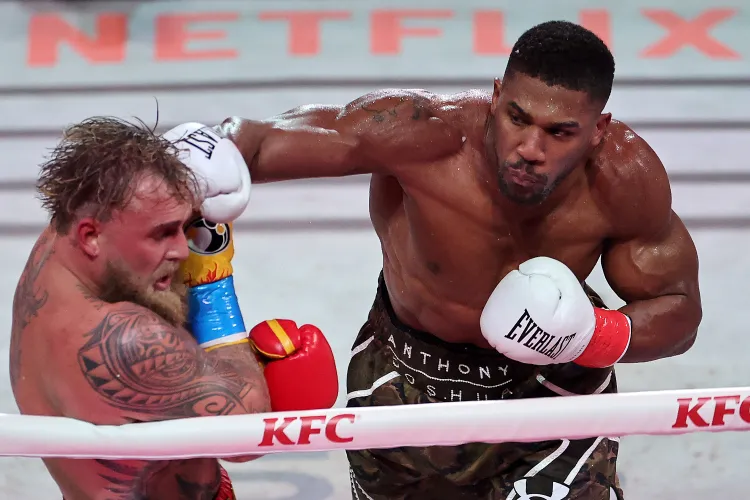
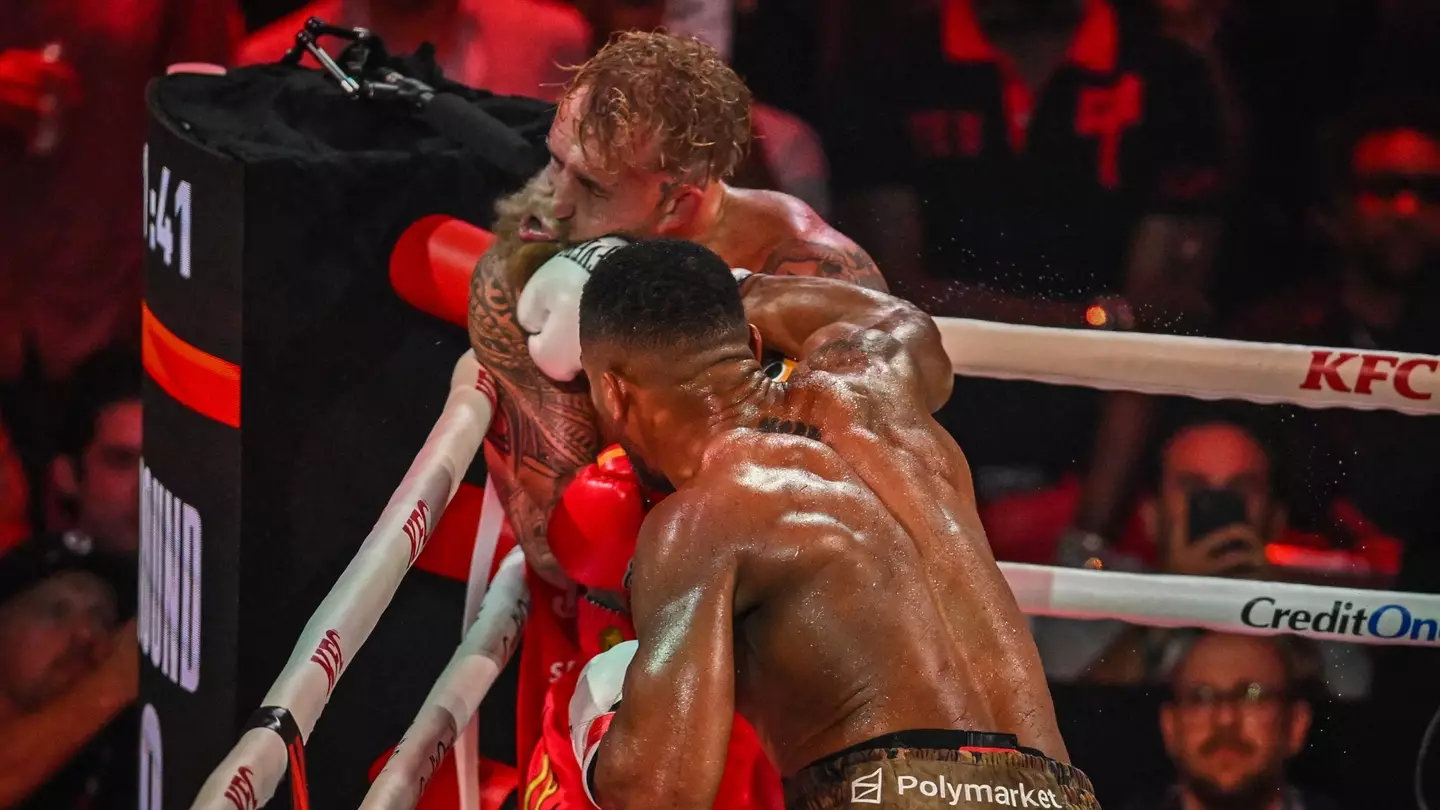
Joshua’s hand was raised on Friday after the former two-time unified heavyweight champion scored four knockdowns, including a heavy right hand in the sixth round that broke Paul’s jaw in two places.
“The end goal was to pin Jake Paul down and hurt him,” said Joshua in his post-fight interview. “It took a bit longer than expected, but the right hand finally found the destination.”
JUST IN: Why Gervonta Davis Is A More Difficult Fight Than Shakur Stevenson
The punch that put a stop to the contest could be a career-altering one for Paul, according to promoter Eddie Hearn.
“He may never be able to fight again,” Hearn said. “People just think, ‘Oh, you just get your jaw wired, bolted together by a couple of screws, and on you go.’ There have been many fighters who have had their jaws broken that never boxed again.”
Chris Algier, a former boxing world champion, described the injury as “catastrophic”, adding: “He’s going to be out of the ring for a while. We’ll see how that jaw comes together.”
Many people have had their say on the knockout, including Dr Brian Hoeflinger, a board certified Neurosurgeon who has been practising in Ohio for the past 25 years.
Hoeflinger, who has over 450,000 followers on Instagram, explained the damaging effect a punch like Joshua’s can have on the brain.
“Jake Paul got knocked out by Anthony Joshua this past Friday night, so I want to break this down from a medical perspective,” he said in the Instagram video.
“I’m a neurosurgeon with over 25 years of experience and, what happens when you get hit in the head with that kind of force, like in boxing, our brain actually moves inside our skull and it can bump into the skull, which is a firm structure, and cause bruising in the brain, even bleeding.
“It causes repeated trauma to the brain and over years and years of this happening, people can get what’s called chronic traumatic encephalopathy, or CTE syndrome.”
He added: “It’s almost like a disease. Repeated trauma to the brain can lead to memory problems, mood swings, even trouble with movements. Eventually, people can develop diseases like Alzheimer’s and even Parkinson’s.”
Paul’s injury has also been studied by Dr Brian Sutterer, a doctor who uses his YouTube channel to analyse the medical side of sport.
Sutterer explained that the first phase of treatment will be checking for head injuries, including a concussion.
“Step one [is checking for] head injuries, airways, breathing, and evaluating the teeth,” he said. “They will also look at the temporomandibular joint and evaluate the degree of displacement.
“If you can successfully reduce and get everything in good position and get fixation between the maxilla and the mandible through something like wires for a short temporary amount of time, that’s great.
“If that reduction cannot be maintained, that’s when you’re going to have to go and consider something like a surgery.”
