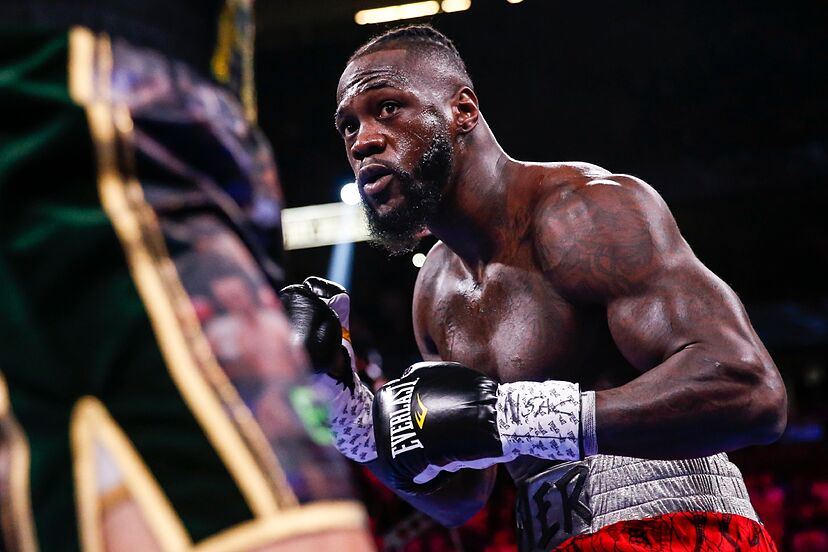
Questions about Deontay Wilder’s future have resurfaced following comments from former world champion Carl Froch, who suggested the heavyweight’s career has entered a markedly different phase.
Once defined by knockout power and intimidation, Wilder is now at the center of a more reflective discussion about longevity, direction, and the realities that come with time at the elite level.
The discussion has shifted away from potential matchups and toward a broader reassessment of where Wilder now stands in his career.
JUST IN: Authorities Unable To Locate Gervonta Davis
Froch questions what comes next
Speaking about Wilder’s recent run, Froch raised doubts about whether the former WBC heavyweight champion still has a clear route back toward the top of the division.
“What’s next for him?” Froch asked. “Has he got a career left? I just think that he’s lost four of his last six fights.”
Rather than focusing on any single defeat, Froch framed his view around what he sees as a growing gap between Wilder’s reputation and his recent performances.
“It’s all smoke and mirrors now,” Froch continued. “Everyone thinks he’s back with that big punch, and they want to see him get in there.”
A career shaped by power and consequence
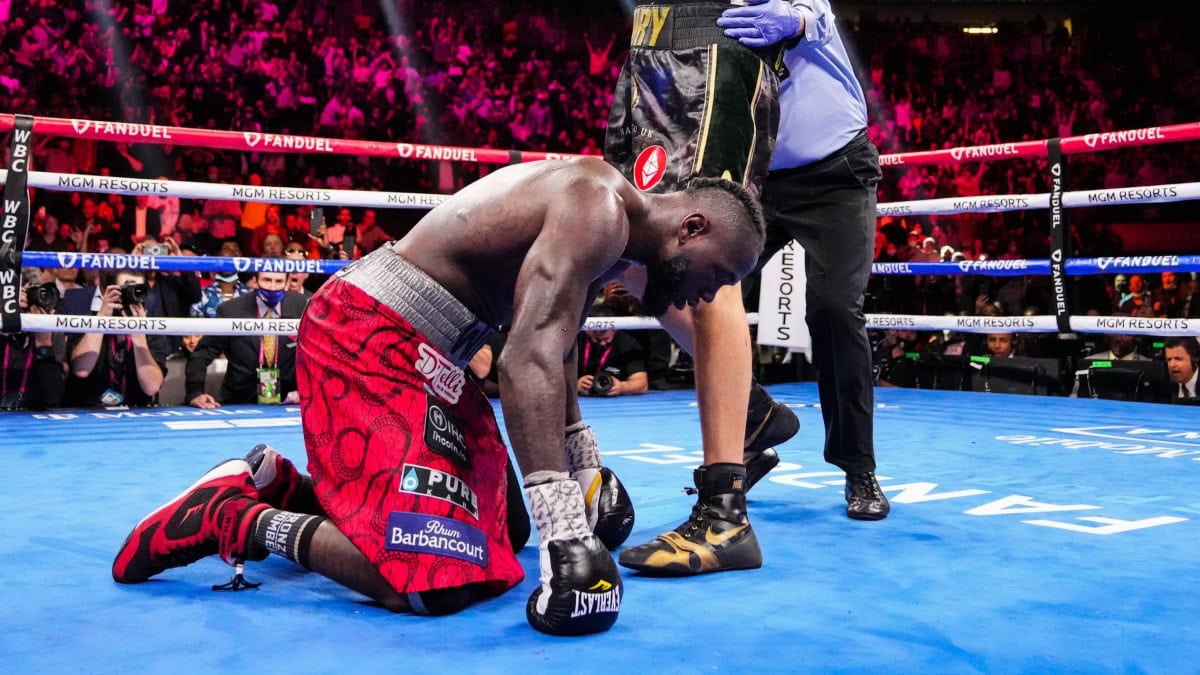
Wilder’s rise through the heavyweight ranks was built almost entirely on knockout ability, a trait that carried him to a world title and sustained his presence at the elite level for years. Froch suggested that the physical toll of repeated high-stakes fights has altered that balance.
“I know it’s sad to say that, but at forty years old, the three fights with Fury done him,” Froch said, referencing the cumulative impact of Wilder’s trilogy with Tyson Fury.
While such assessments remain a matter of opinion, they reflect a broader reality faced by fighters whose success was built on singular strengths over extended periods.
Reflection replacing anticipation
For much of his career, Wilder’s place in the heavyweight picture was fueled by anticipation — the belief that one punch could always reset the narrative. Froch’s comments, instead, point toward a stage in which past accomplishments are increasingly weighed against present limitations.
“I know everyone has their own reasons and everyone is entitled to do what they want,” Froch added. “But it’s sad to see, really.”
Whether Wilder chooses to continue or step away remains his decision alone. What has changed is the tone of the conversation surrounding him, which has shifted from expectation toward reflection as his career is increasingly viewed through a longer-term lens.
