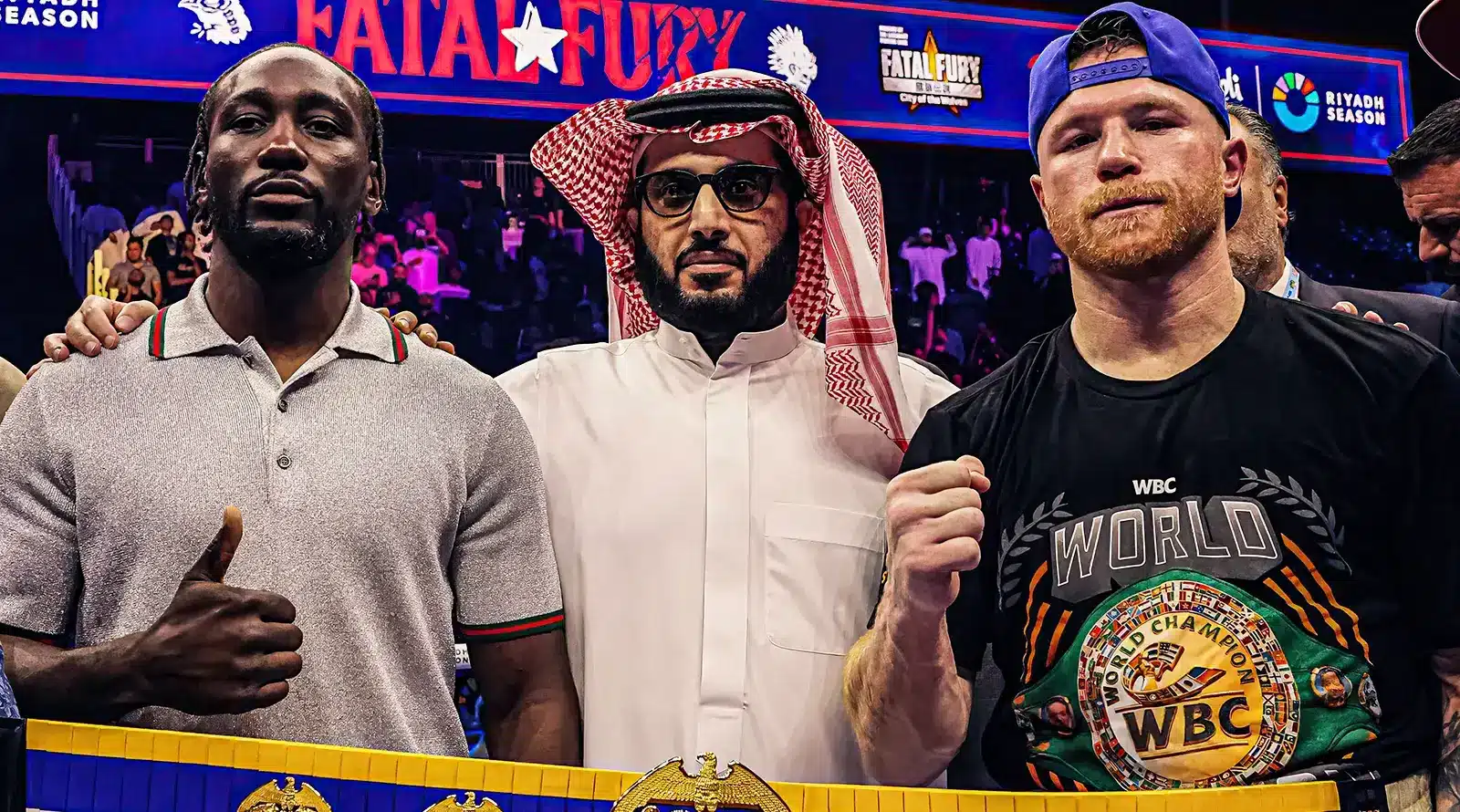
Terence Crawford’s decision to retire rather than pursue a rematch with Canelo Alvarez may have been about more than timing — it may have been about control.
Speaking to Fight Hub TV, veteran trainer Joel Diaz suggested a second fight would not have been fought on level terms. In other words, Diaz believes the sequel would have carried pressures that go beyond the ropes.
“He retired, Terence did. We don’t know if, you know— I’m glad he did.”
Pressed on why, Diaz did not hesitate.
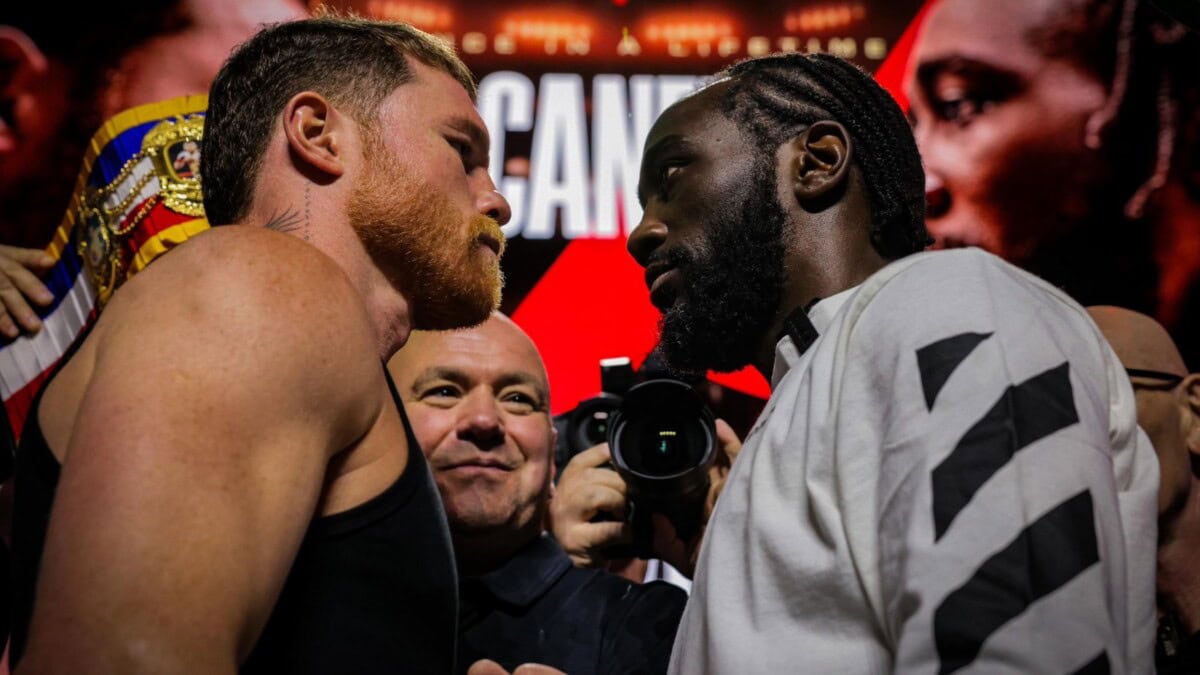
JUST IN: “You Are Getting Stopped.”: Be The First To KO Gervonta Davis – U
“Because unfortunately, and I’m gonna say it, a lot of people are gonna be mad at me, because unfortunately, the fact that he won, working on a rematch, they were gonna make his life miserable for a rematch for him to lose the next one.”
Host Marcos Villegas asked, “You think so?”
“Oh, hell yeah. Yeah, that’s the way boxing works. They were gonna make his life miserable. Why? Because Canelo has always been the favorite. And on the rematch, they were gonna find a way to make Canelo the winner of the next one.”
Those are serious claims about how high-profile rematches operate at the top of boxing. Diaz is not talking about tactics or conditioning. He is talking about the pressure that follows an upset when the sport’s biggest commercial name is on the losing end.
A Rematch That Was Already In Motion
World Boxing News first reported that a return bout was targeted for May 2026 before Alvarez underwent elbow surgery, which pushed plans off schedule.
Even after that setback, Crawford publicly stated he would never return for $100 million.
That refusal shifted the conversation. It was no longer about the purse. It became about what a rematch would add — and what it might take away.
Diaz believes it was the wrong gamble.
“If Crawford decides to retire and never come back, in the books of boxing forever in history, hey, look at this guy. He came from 54 to 68, beat the king of boxing, took all the belts, and retired.”
From that perspective, the timing of the exit was not avoidance. It was preservation.
Crawford defeated Canelo decisively. There was no dispute about the result. But Diaz is arguing that a rematch, especially one built around restoring the sport’s biggest draw, would have carried forces beyond the ropes.
Major rematches in boxing rarely unfold in a vacuum, especially when the sport’s biggest draw is seeking redemption.
Whether fans agree with that assessment or not, it reflects a familiar tension in boxing when the commercial A-side loses.
Crawford walked away with the belts. He walked away with validation. And if Diaz is right, he walked away before the politics of a sequel could rewrite the ending.
